From piggy banks to Swish
– the Lyckoslanten magazine turns 100
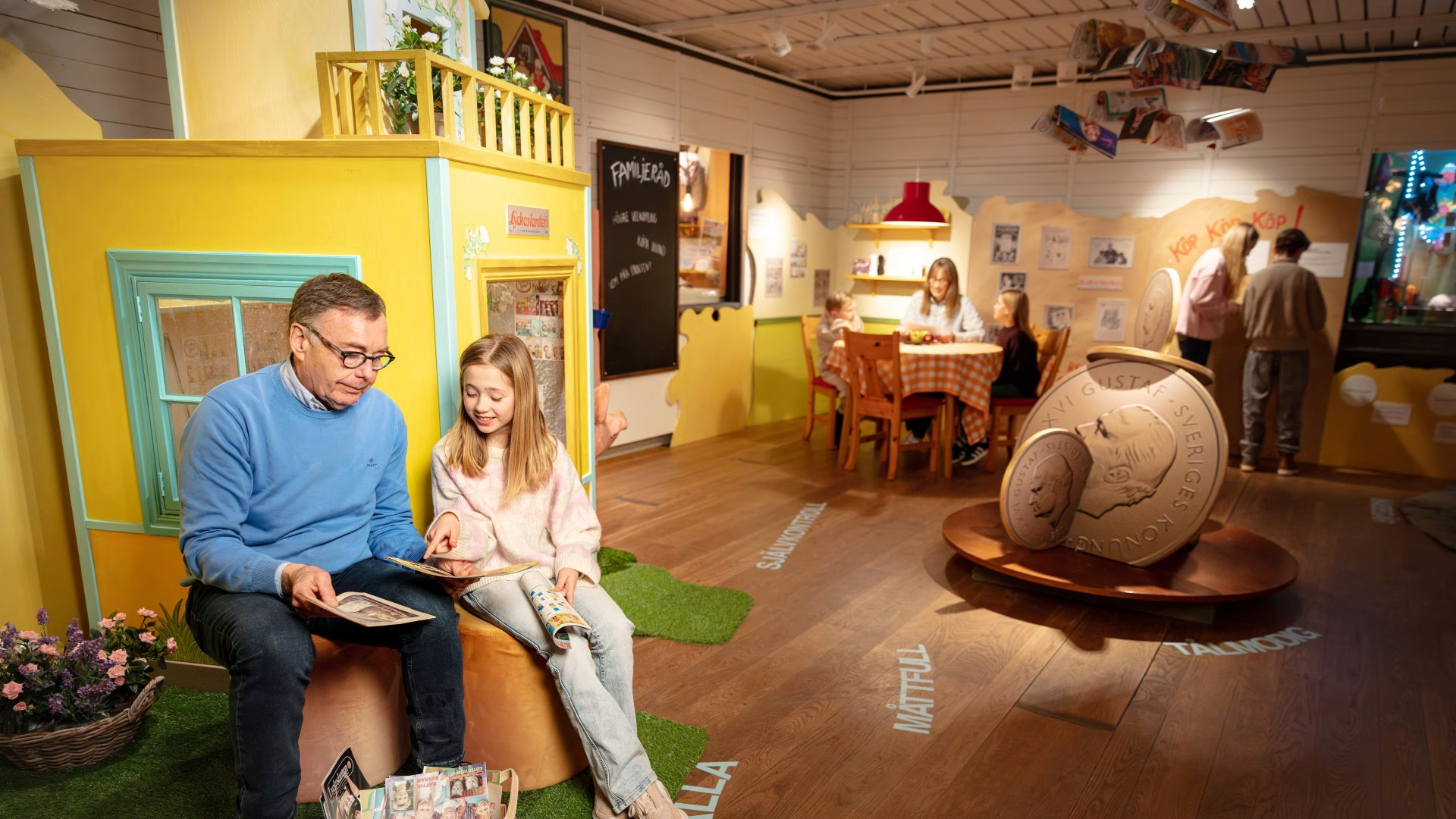
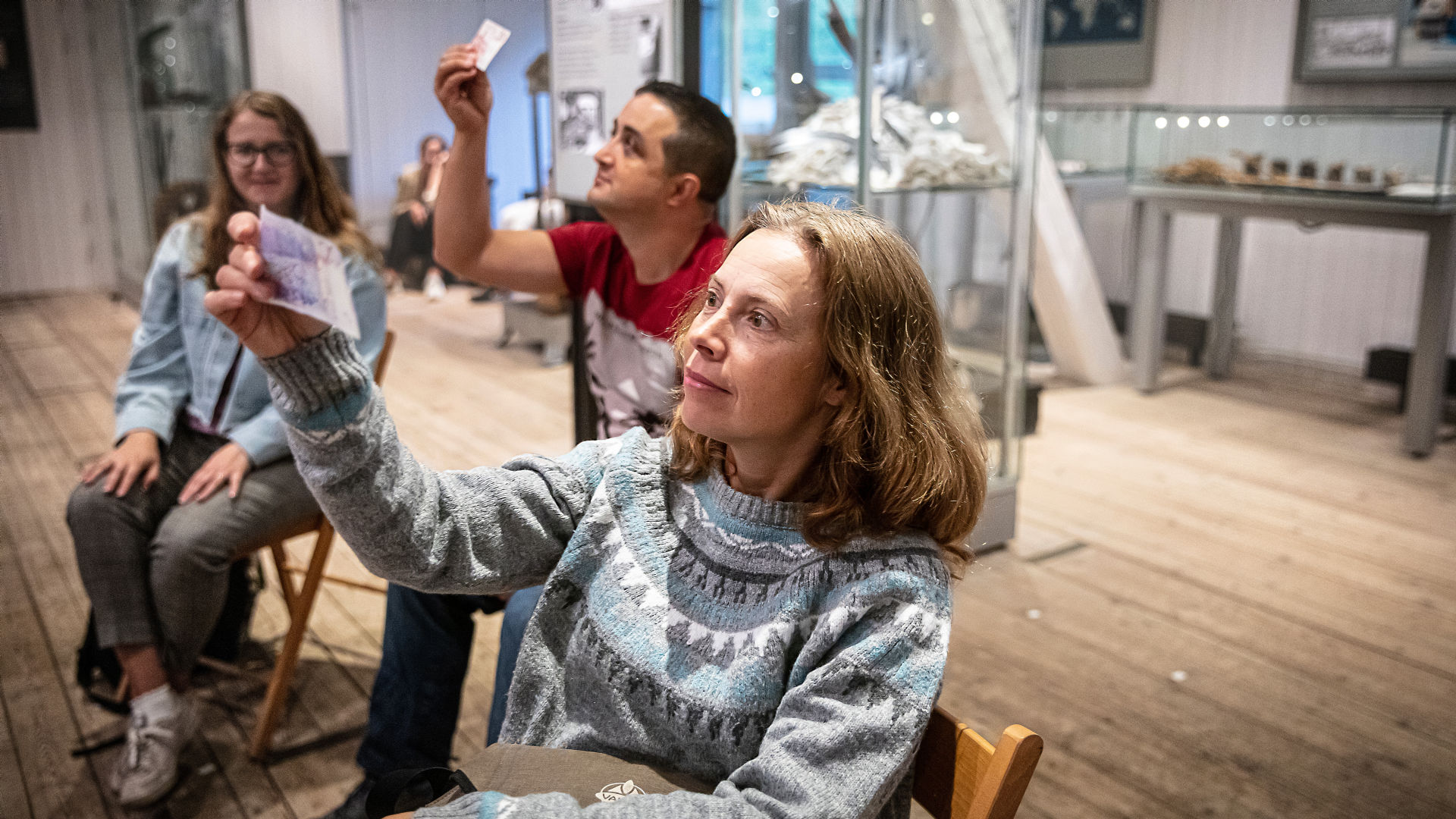
The exhibition takes you on a journey through the history of the magazine Lyckoslanten—from the saving ideals of the 1920s to today’s digital and global economy. Explore how saving, consumption, and children’s roles in the family economy have evolved.
Please note that all exhibition signage is in Swedish.
From poverty to leisure
When Lyckoslanten was launched in 1926, children were expected to contribute to the family economy. The magazine aimed to teach children to save so they could help their families avoid poverty. As the welfare society grew, childhood became freer. Weekly allowance became a way for children to practice taking responsibility for their own money instead of helping the family survive.
Today, children are not expected to contribute to the family economy in the same way, but the need to talk about money remains. The magazine has now become a place where children themselves are given space to share their thoughts.
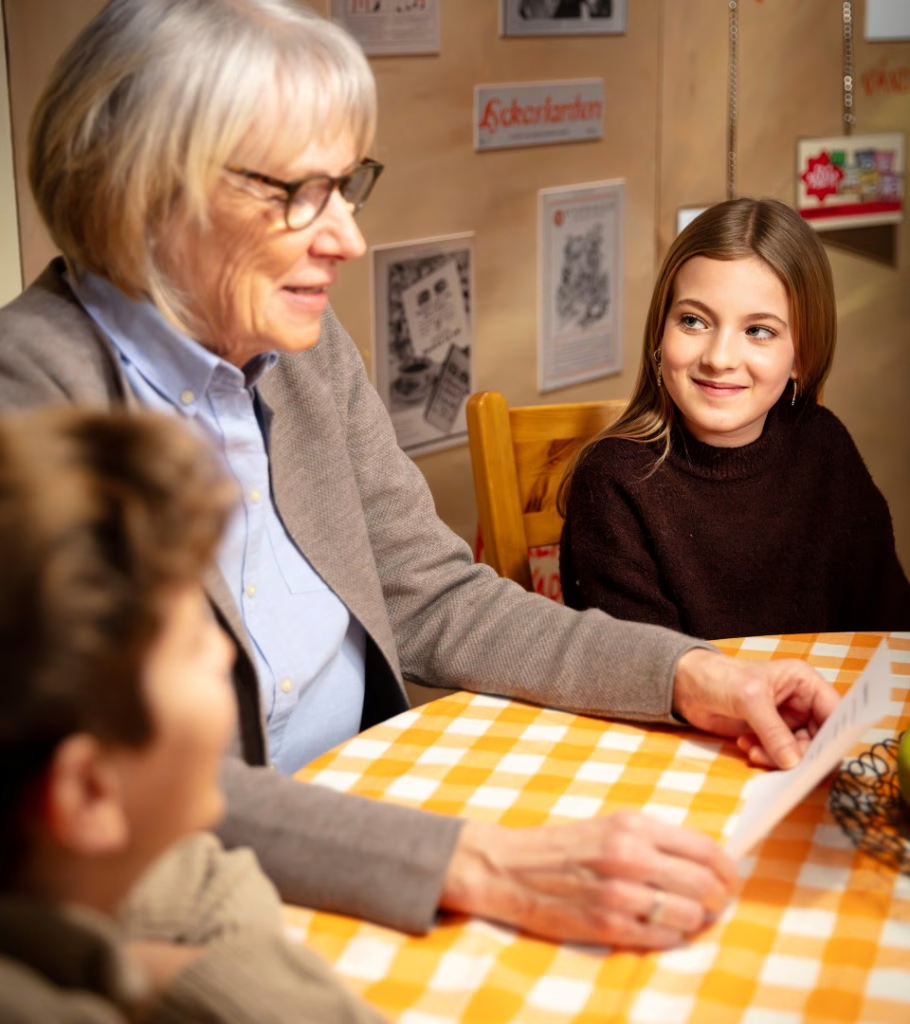
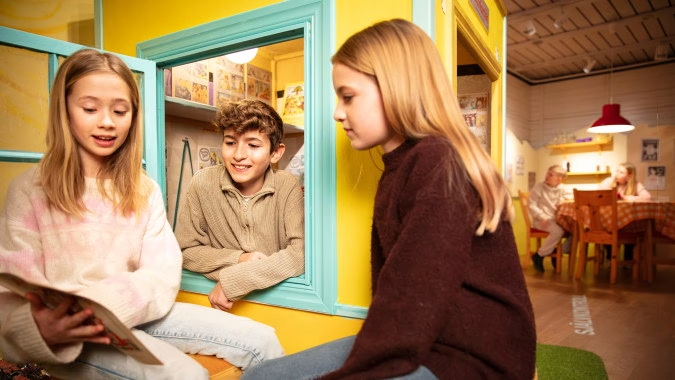
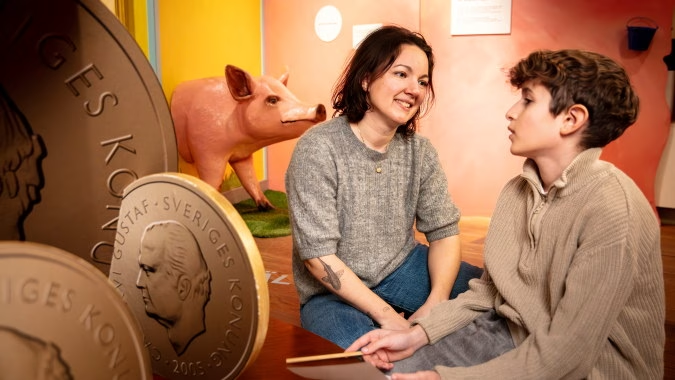
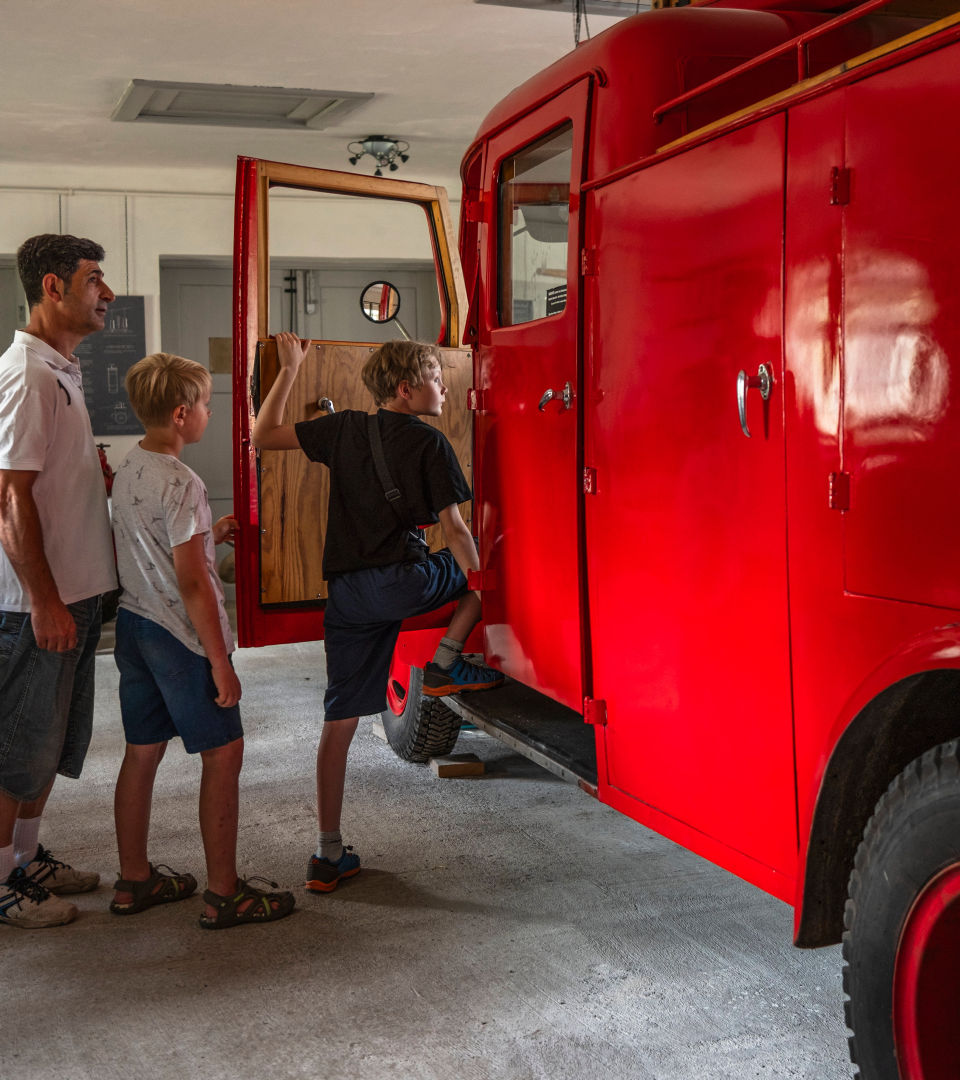
Photos: Jens Mohr, Tumba Paper Mill Museum/SHM.
Experience the exhibition together
In the exhibition, the child’s perspective is our starting point. Follow the historical development of Swedish economics and reflect together:
- When do you choose to save?
- How do social media influence your choices?
- What does it really mean to “succeed”?
The exhibition is not only about money, but also about values, dreams, and identity. It includes historical perspectives, sustainability issues, and social dilemmas. Welcome to talk about how things were in the past, what matters today, and how you see the future.
Admission to the exhibition is free thanks to the support of Swedbank.
What to know before your visit
Information about opening hours, how to get here, and more.
Accessibility in the exhibition
Information about museum accessibility.
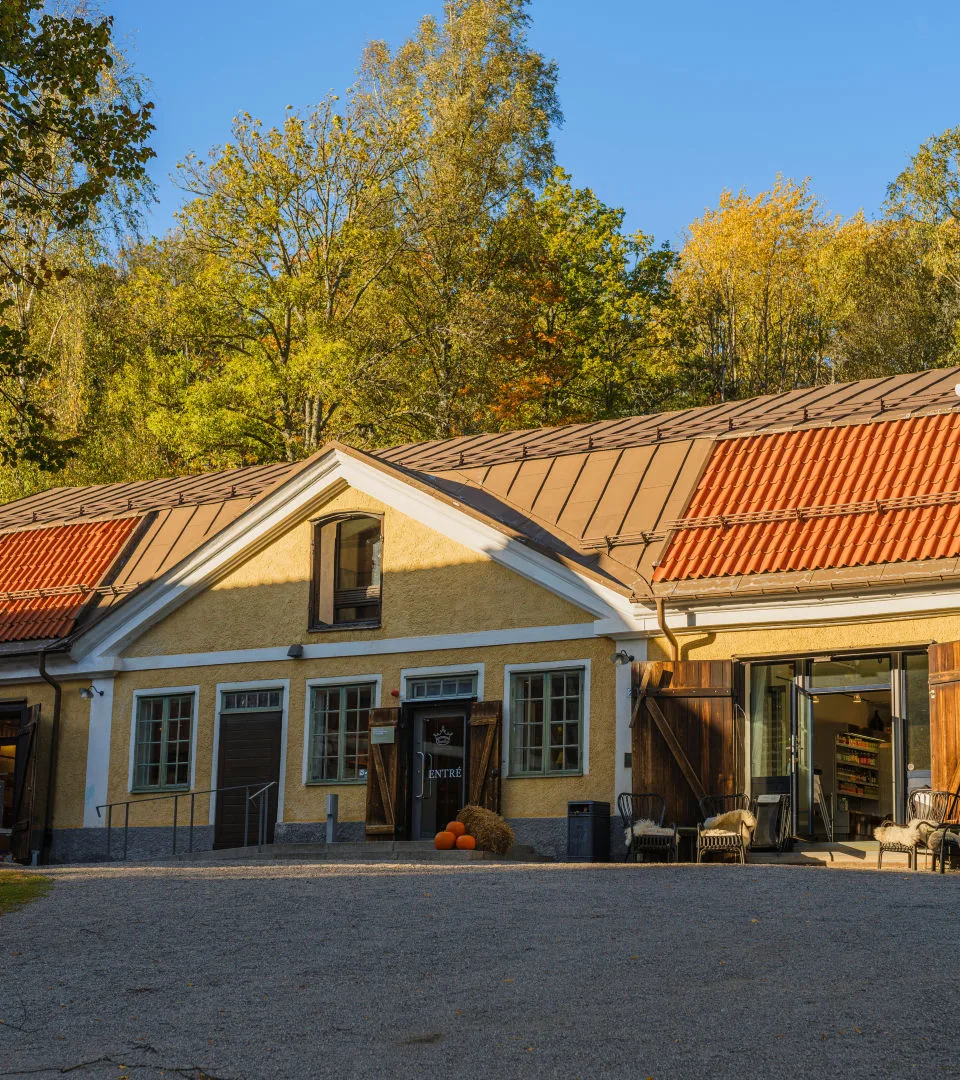
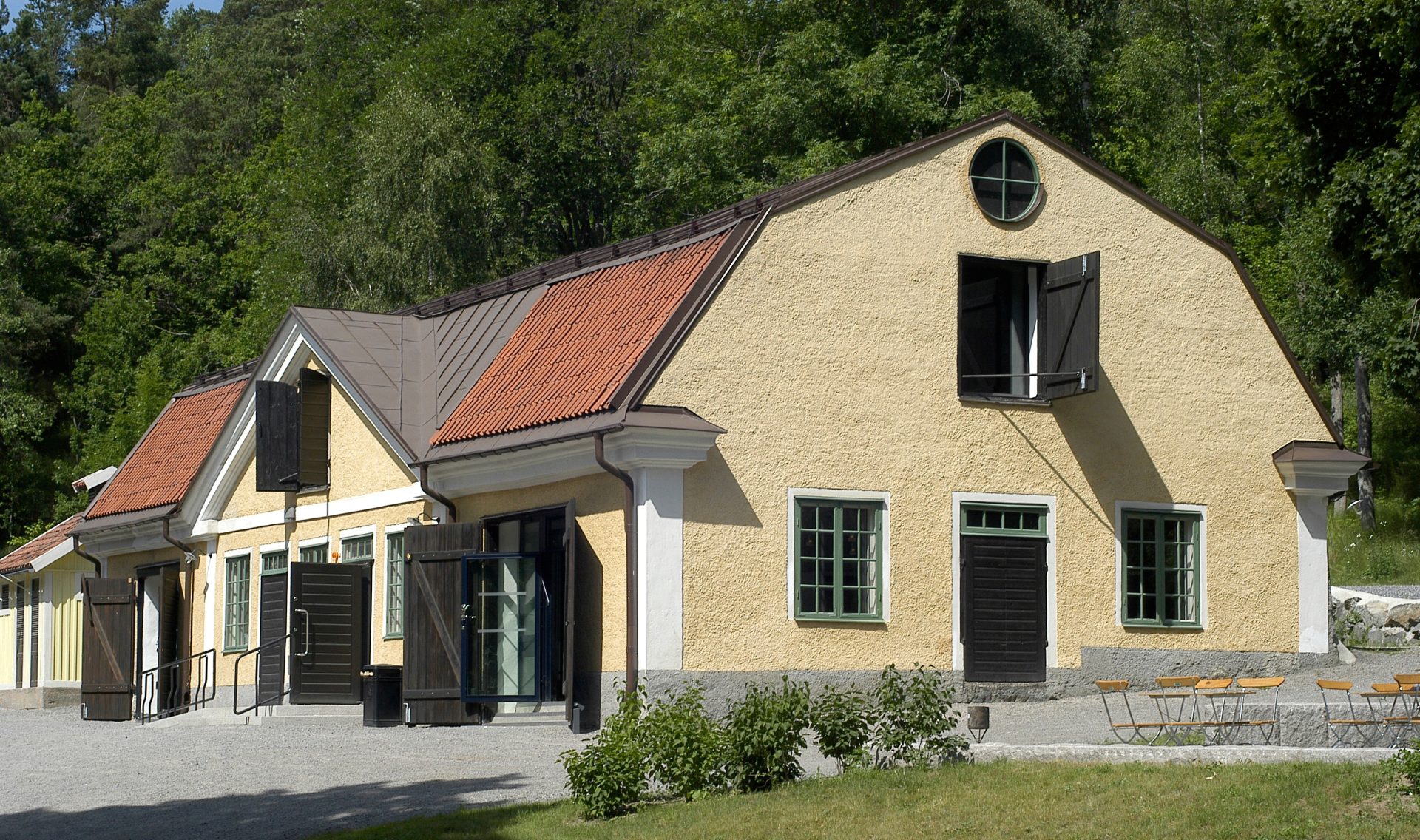
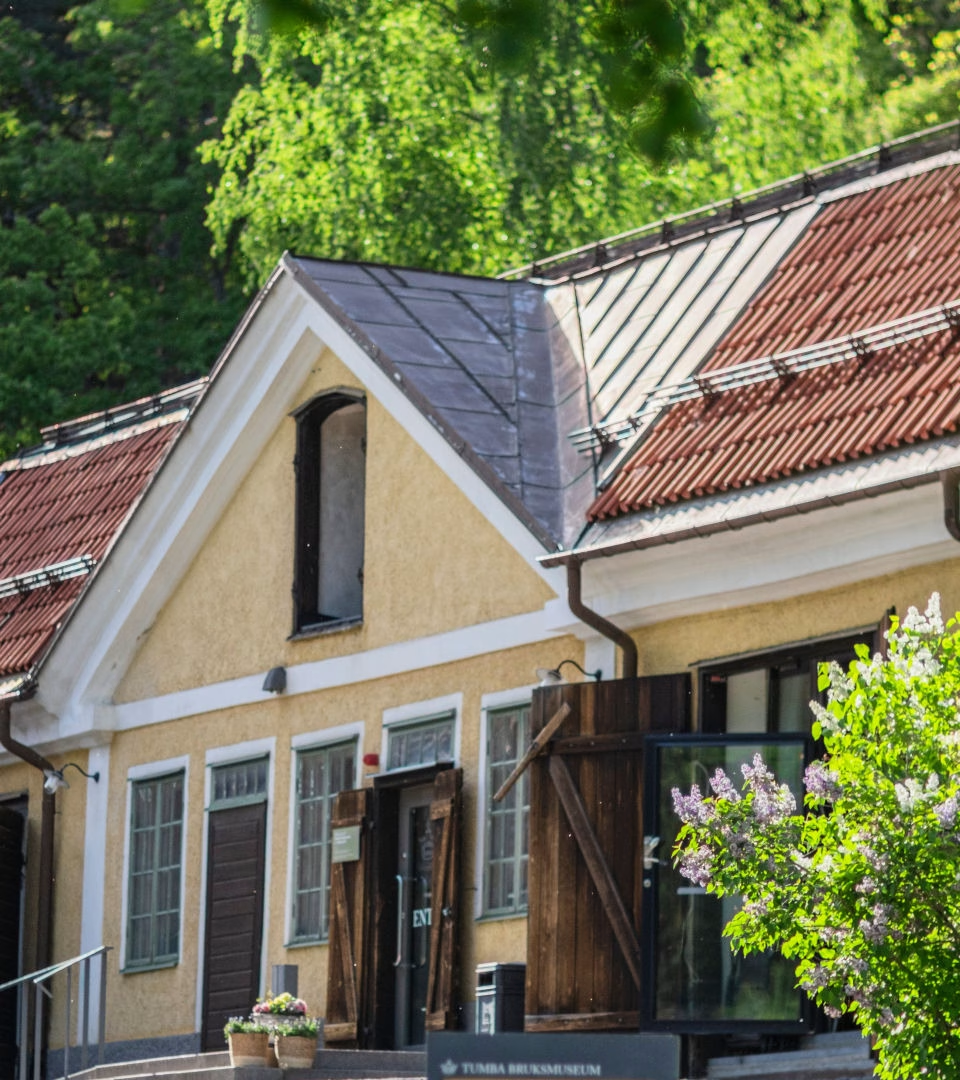
The exhibition is shown in Oxhuset, the museum’s main building, which houses the entrance, shop, and Brukscafé. Oxhuset has two toilets, one of which is accessible, as well as a changing table. The exhibition space is on the upper floor, accessible by both stairs and elevator. The exhibition can be visited with both strollers and wheelchairs.
What is Lyckoslanten?
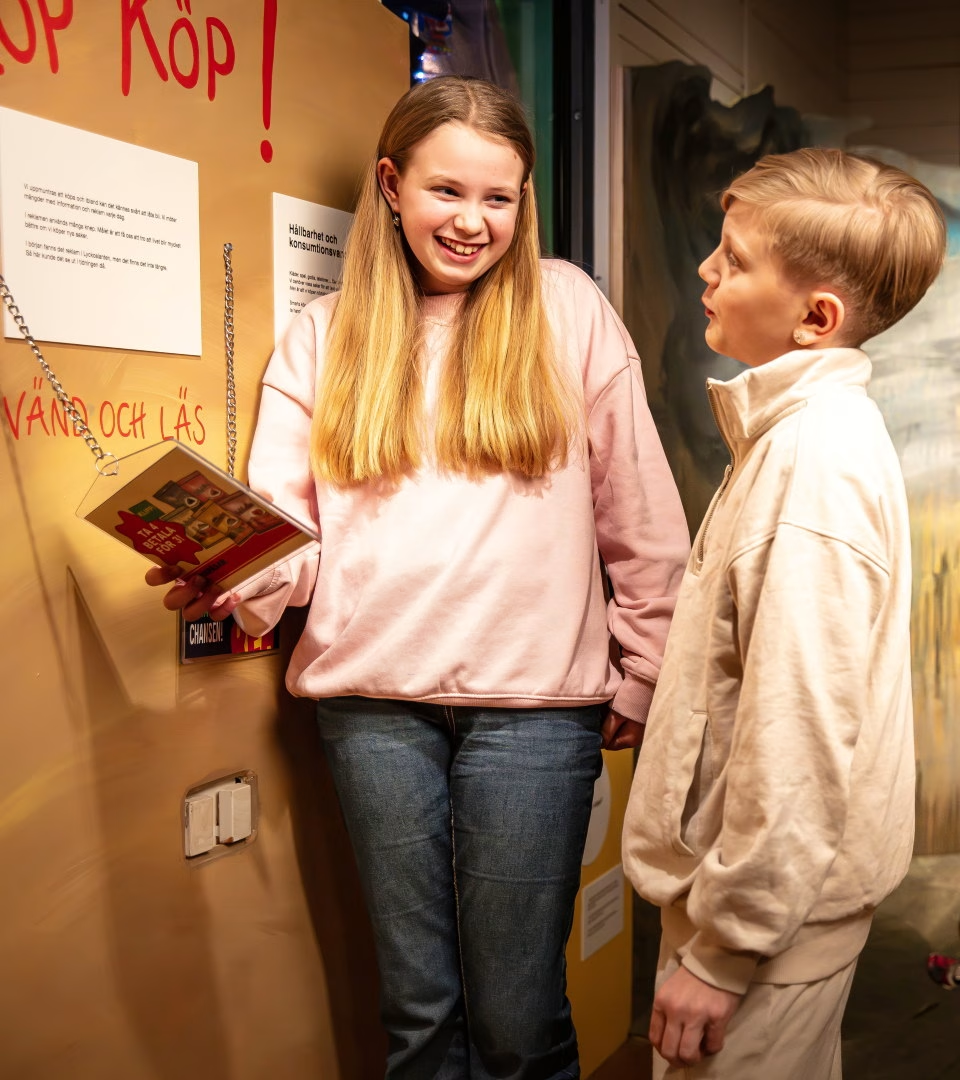
Lyckoslanten is a free magazine for children in grades 4-6. It is published by Swedbank and the Savings banks. It is sent to schools to teach children about money and to engage them in a fun and inspiring way. It is Sweden’s largest children’s magazine, with a circulation of just over 300,000 copies, and is published four times a year. The magazine contains no advertising.
Read more about Lyckoslanten at Swedbank's website (in Swedish)
Who are Spara and Slösa?
When the magazine Lyckoslanten was launched in 1926, readers were introduced to the illustrated characters Spara and Slösa, who served as clear symbols of what was right and wrong. The comic strip was drawn by Birgitta Lillehök until 1963, when it was discontinued. Spara and Slösa were revived in a new form by illustrator Lena Forsman in 2005 and are now once again part of the magazine’s content.
Today, the comics are never judgmental and completely free of moralizing messages. Nothing is purely black or white anymore. Spara is sensible, loves saving in all its forms, has a strong focus on sustainability, but is also something of a collector. Slösa is impulsive, shops quickly, and dreams big. Even though the siblings may roll their eyes at each other’s quirks, there is always warmth between them.
Exhibition production and sponsors
The exhibition environment was created by Barnutställningar, with extensive experience in producing exhibitions for children.
Tumba Paper Mill Museum is a part of the Economy Museum, whose main sponsor is Swedbank.