History of the mill

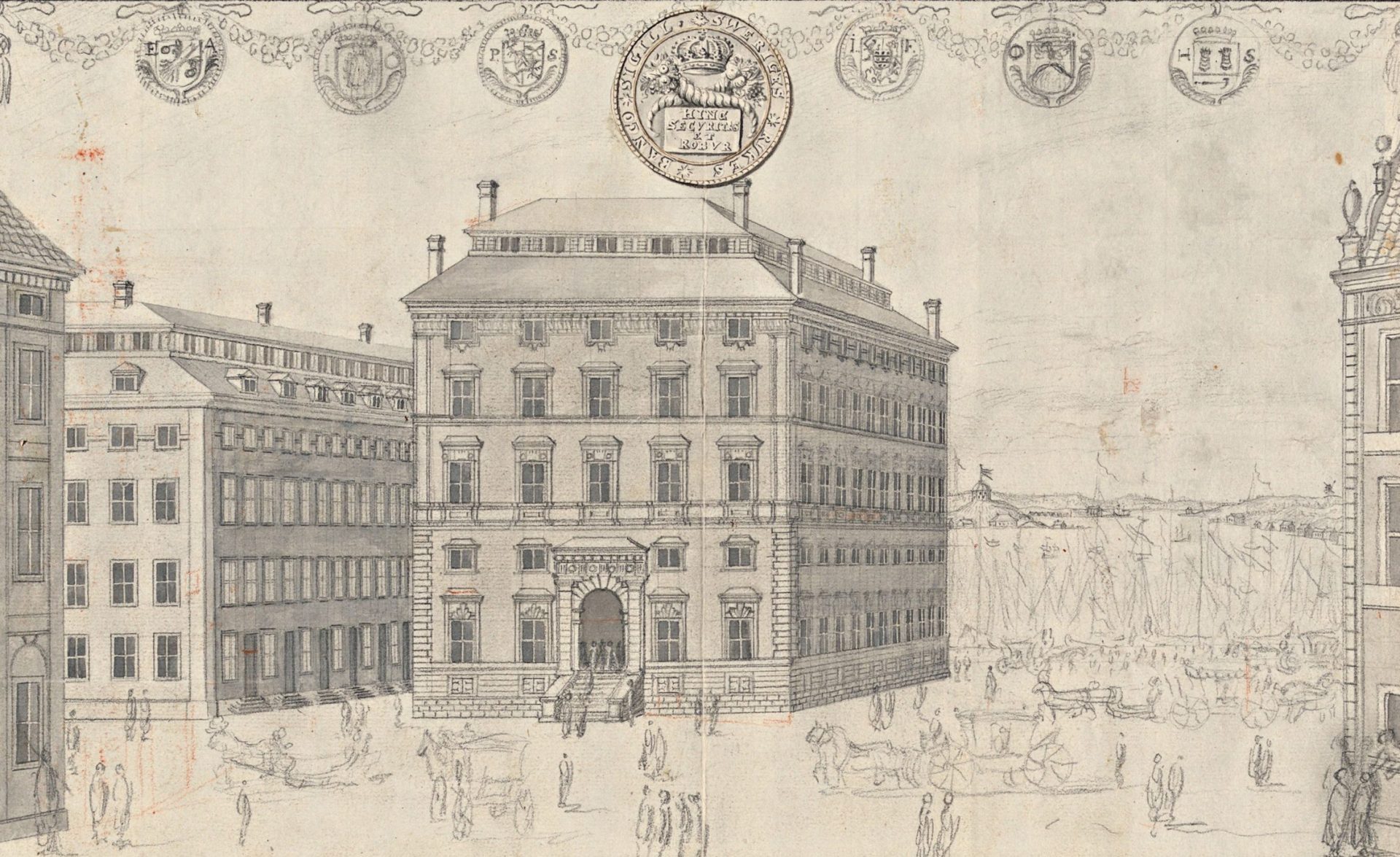
The banknote mill came about by chance, in a way. It was at a meeting of the board of Riksens Ständers Bank (today Riksbank, Sweden's central bank) on 26 February 1755 that one of the members was presented with an opportunity that he could not pass up.
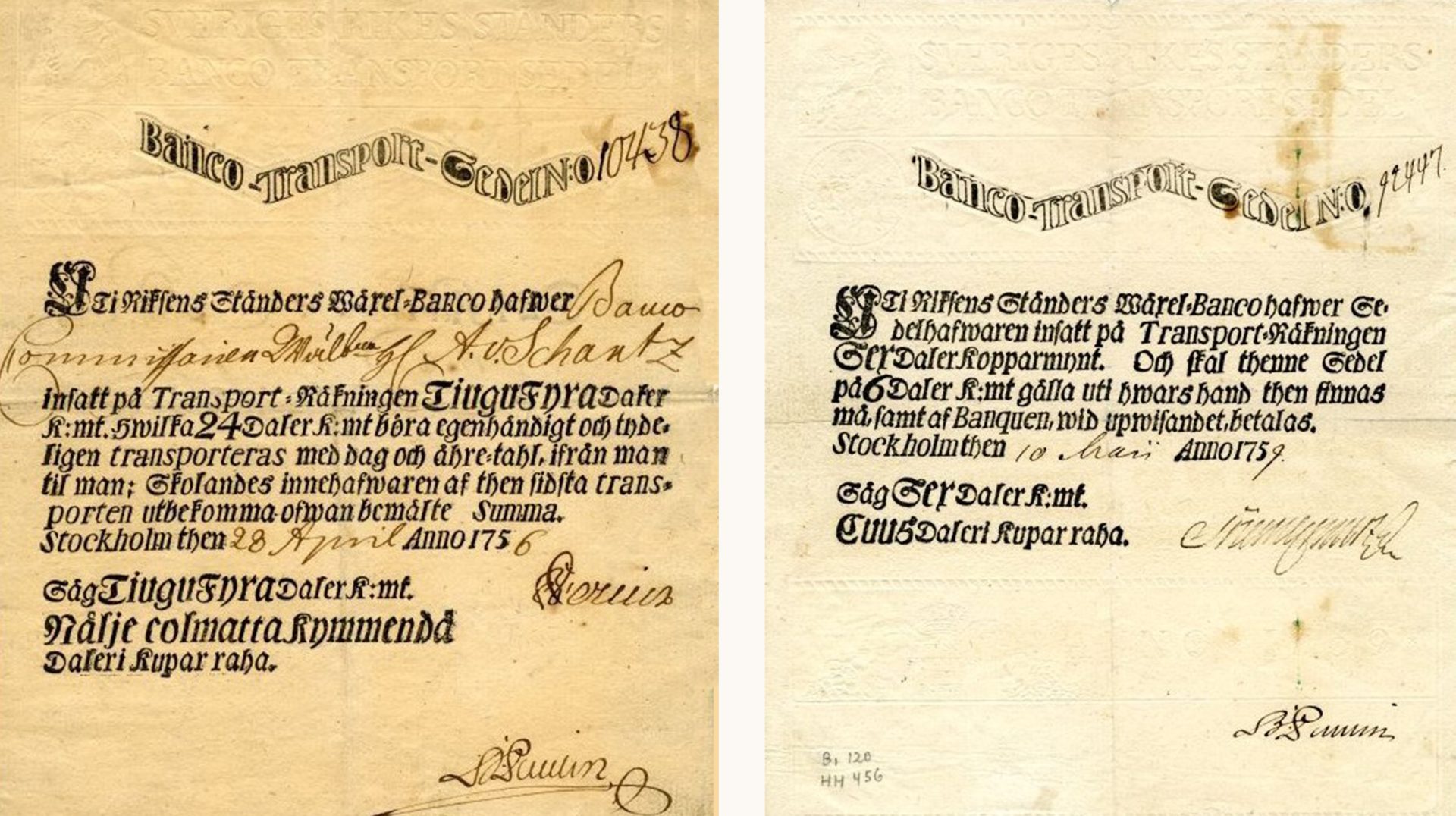
The Riksbank Board was discussing how to handle some counterfeit banknotes that had been printed with genuine Dutch banknote paper. One solution was to start producing their own paper, instead of buying from Holland. But where should the paper mill be located? Board member Edvard Carleson, owner of an unprofitable textile mill in Tumba, raised his hand and his voice. The rest is history.
The early years of the mill - 18th century
Getting a mill site was easy, although the Riksbank Board had the area and water supply thoroughly surveyed before buying the site. The Riksbank's secretary, Joakim Teuchler, and master papermaker Magnus Rundgren were given the task of building up the area and starting production.
However, it became clear that the Swedish papermakers could make paper suitable for books, but not for banknotes. The Riksbank Board therefore decided to try to attract a Dutch master papermaker to move to Tumba. But the Dutch authorities did not want the knowledge of papermaking to spread under any circumstances. Finally, after negotiations through discreet agents, two brothers were persuaded to move: Jan and Erasmus Mulder.
Unfortunately, Jan Mulder spoke a little too openly about his plans to move, which led to his imprisonment. After a short period in prison, he died. This left Erasmus Mulder and his wife, who were secretly and stealthily brought to Sweden. A third brother, Caspar Mulder, made his way to Sweden a few years later to help.
On arrival in Tumba, Erasmus Mulder found that the facilities Joakim Teuchler so proudly conveyed were not as good as he had wished. Relations between Teuchler and Mulder then became so strained that the Riksbank Board felt compelled to hire another site manager, Peter Momma, who was also of Dutch descent.
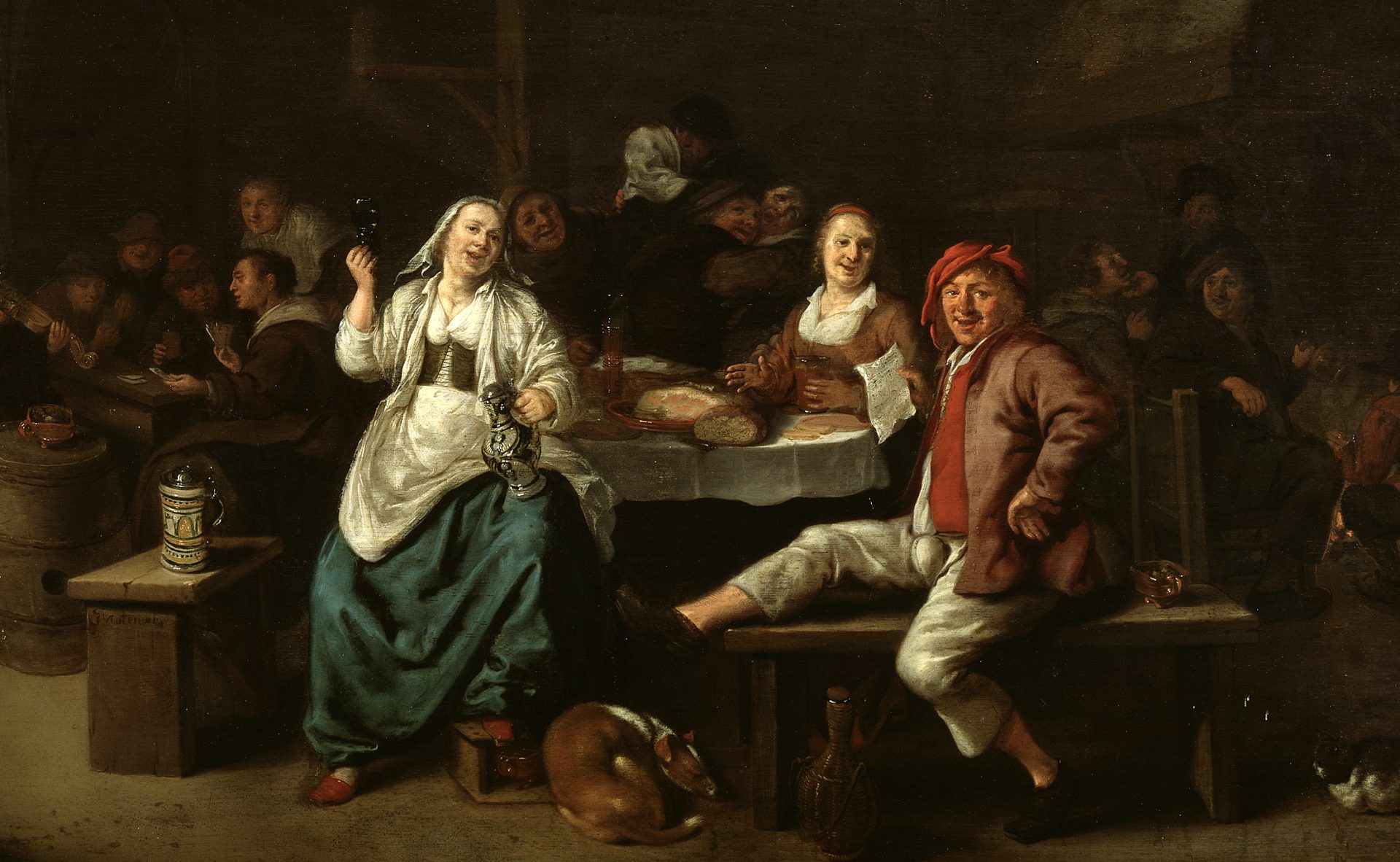
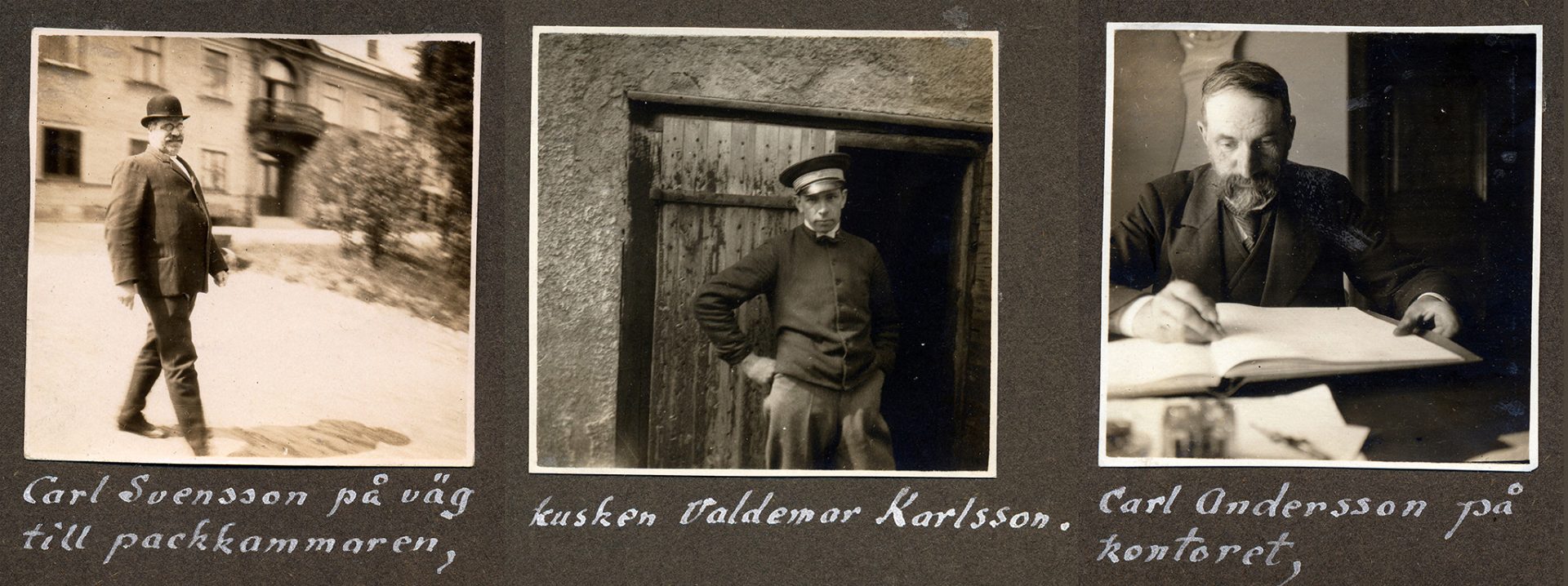
Initially, sixteen people worked directly on paper production. This increased to twenty-eight within a few years. These workers had families, and there were also crofters, tenant-farmers and others in the area. In 1759, the mill opened a little canteen, which was run by Christina Östberg. She was given the task of keeping the unmarried workers fed, selling groceries to the mill people, doing the washing, and caring for the sick when necessary. And to cook a good meal for the Riksbank members if they came to visit.
Ownership issues
Peter Momma succeeded in creating good cooperation between employers and employees, albeit at a greater cost than the Riksbank Board had wished. The Dutch knew what they were worth and Momma wanted to keep them happy. The paper mill delivered perfectly good banknote paper, but at a loss.
Already in the 1760s, the business was doing badly financially. It was also a time of crisis and high inflation. The crisis forced the mill to sell groceries to the workers at a discounted price, and the Riksbank Board considered privatising the paper mill. The argument against privatisation, which Peter Momma also stressed, was that security would be lost. A private owner could move or take the knowledge to another country. And a private owner might be tempted to produce their own banknotes. The mill remained state-owned.
Expansion of the mill - 19th century
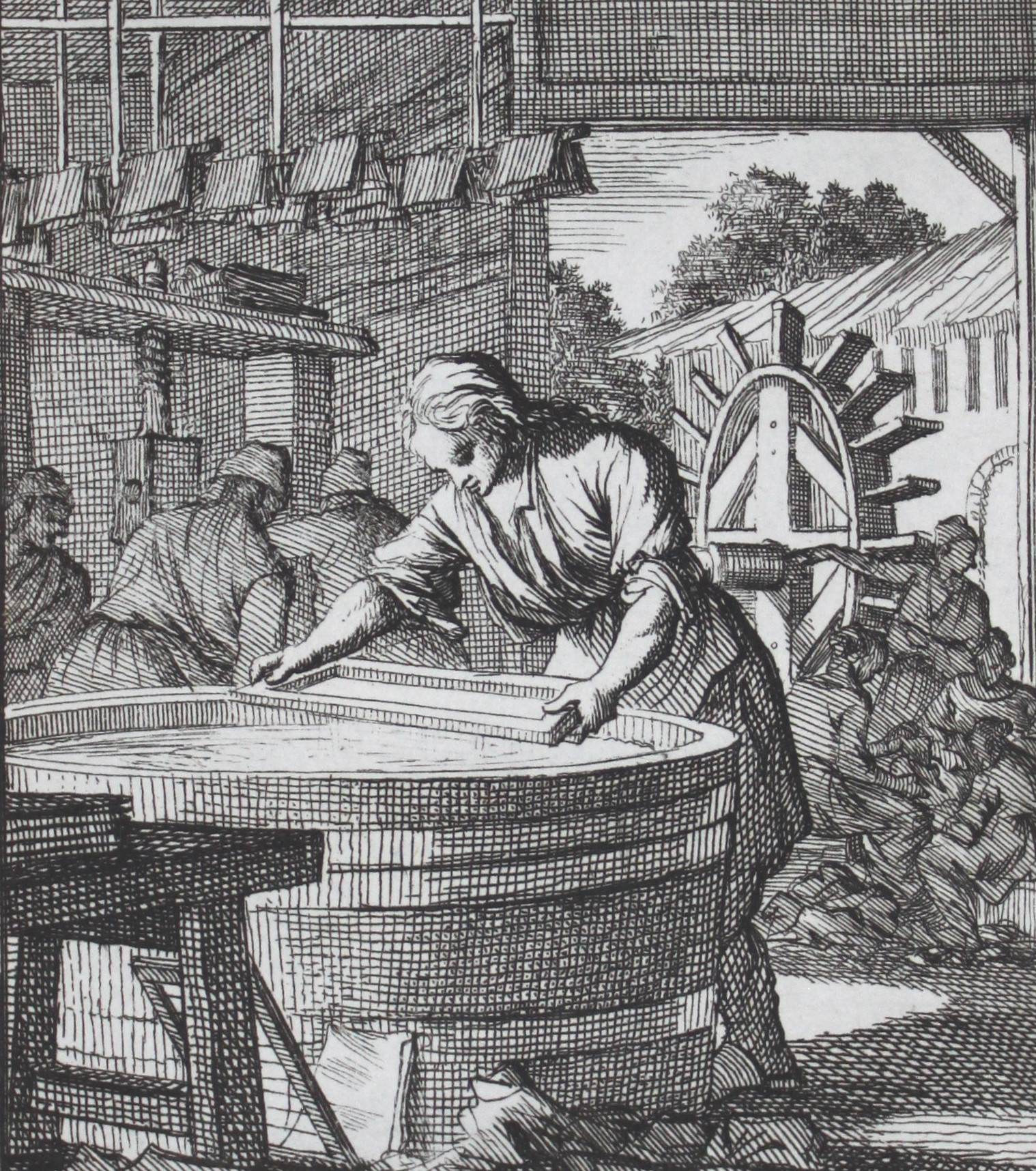
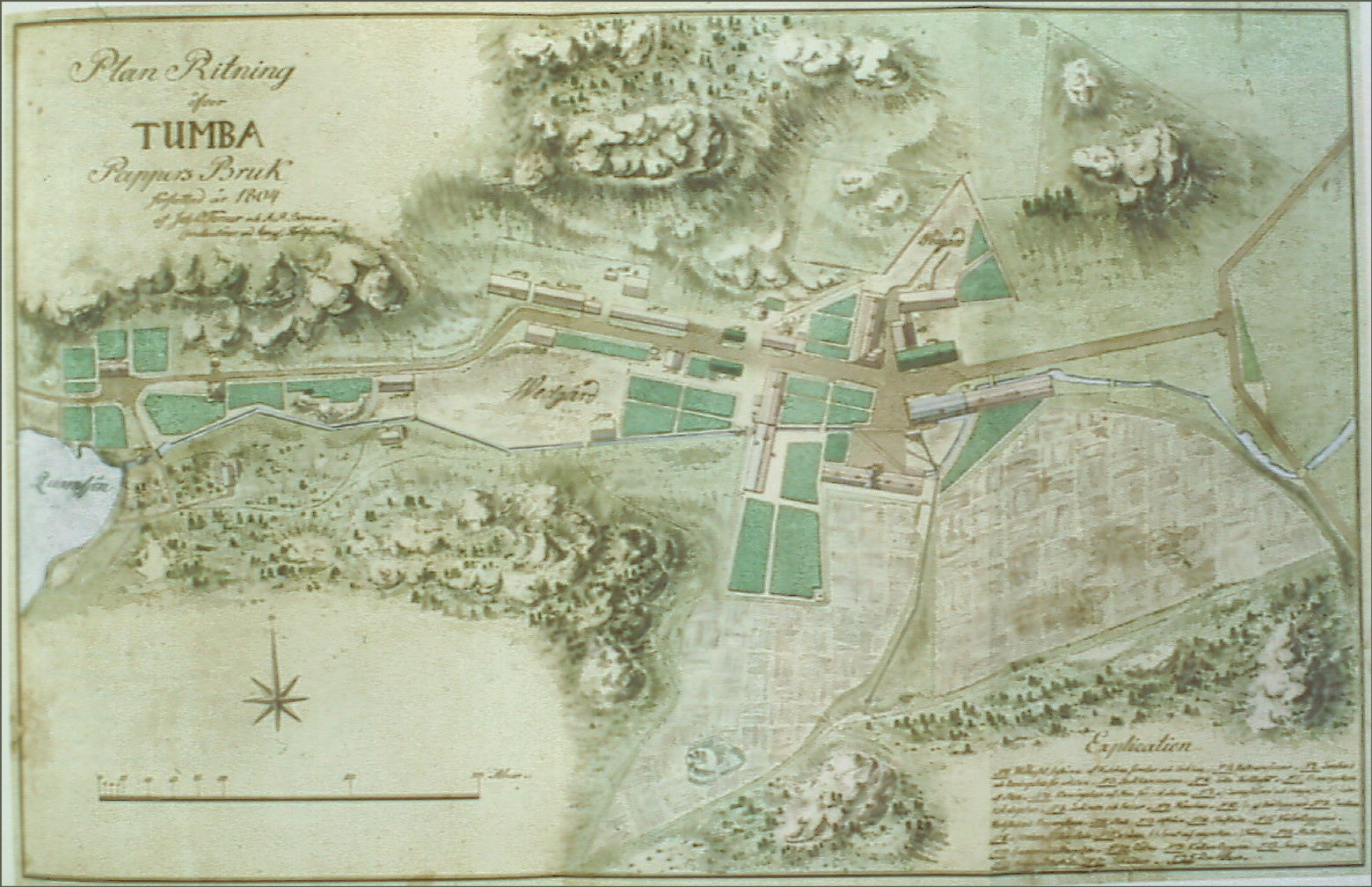
During the first decades of the 19th century, the paper mill expanded somewhat, despite the general downturn in the Swedish economy. The mill's production consisted not only of banknote paper, but also writing paper of various kinds.
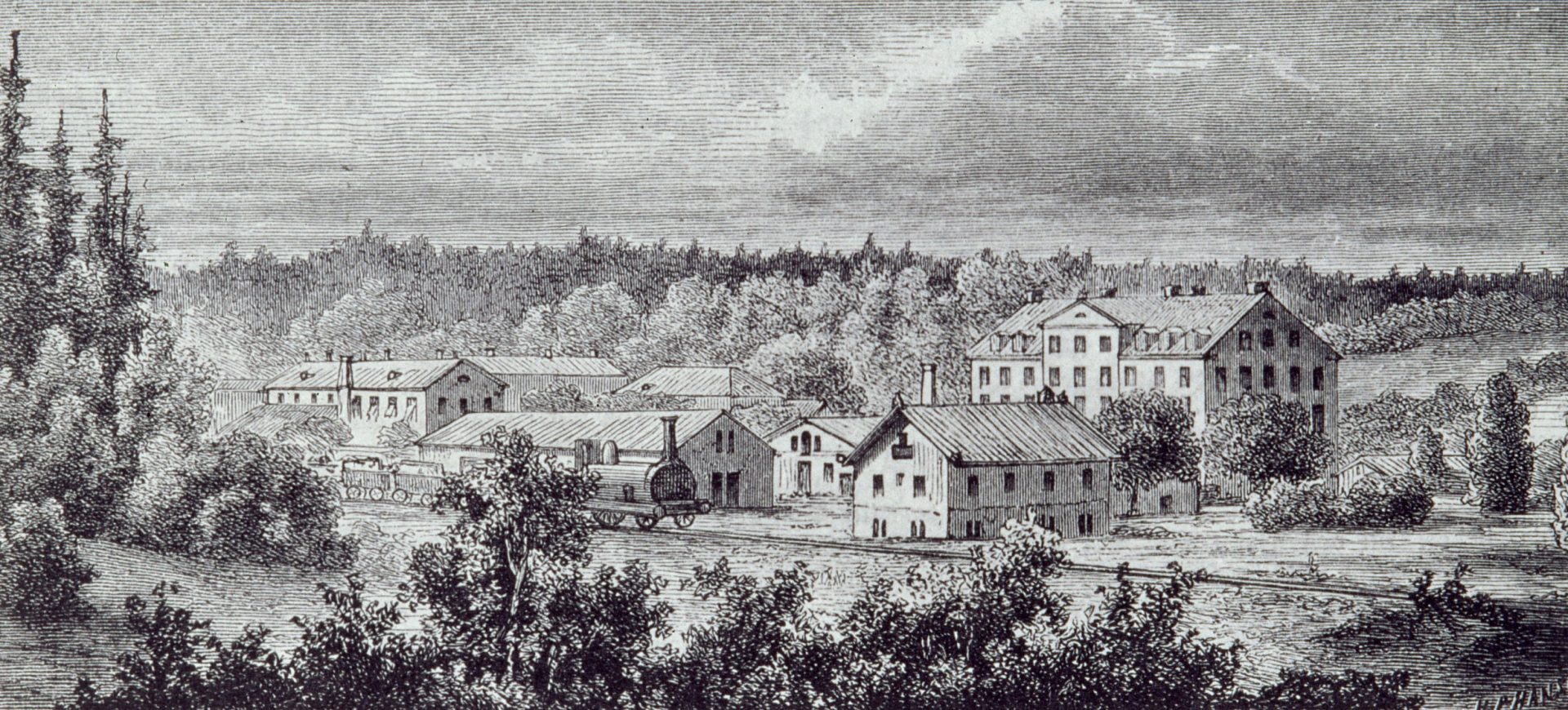
The mill's economy was slightly improved by the fact that many government offices ordered paper from Tumba. But the mill's production took a major blow when the old mill building burned down in 1829.
The mill rose again from the devastation. A new paper mill was followed by new worker housing and some modernisation of the almost fifty-year-old mill.
New banknotes
The major transformation in manufacturing took place in the 1830s. This was partly due to doubts about the security of Swedish banknotes and partly to the fact that the country's private banks were given the right to issue banknotes in 1831. The idea behind spreading banknote issuance was to free Swedish trade from state influence, which was in line with the desire at that time to change the antiquated and rigid class society. There were at most 26 banks issuing banknotes.
Unfortunately, the old banknotes were easy to copy. Some foreign banks had both thinner and better paper. Some also used coloured paper and more complicated printing methods. The difficulty was to create something similar. Jonas Bagge, the foreman, and Joakim Åkerman, a professor of chemical technology, set out to make a new type of paper with three layers, with the middle layer being coloured.
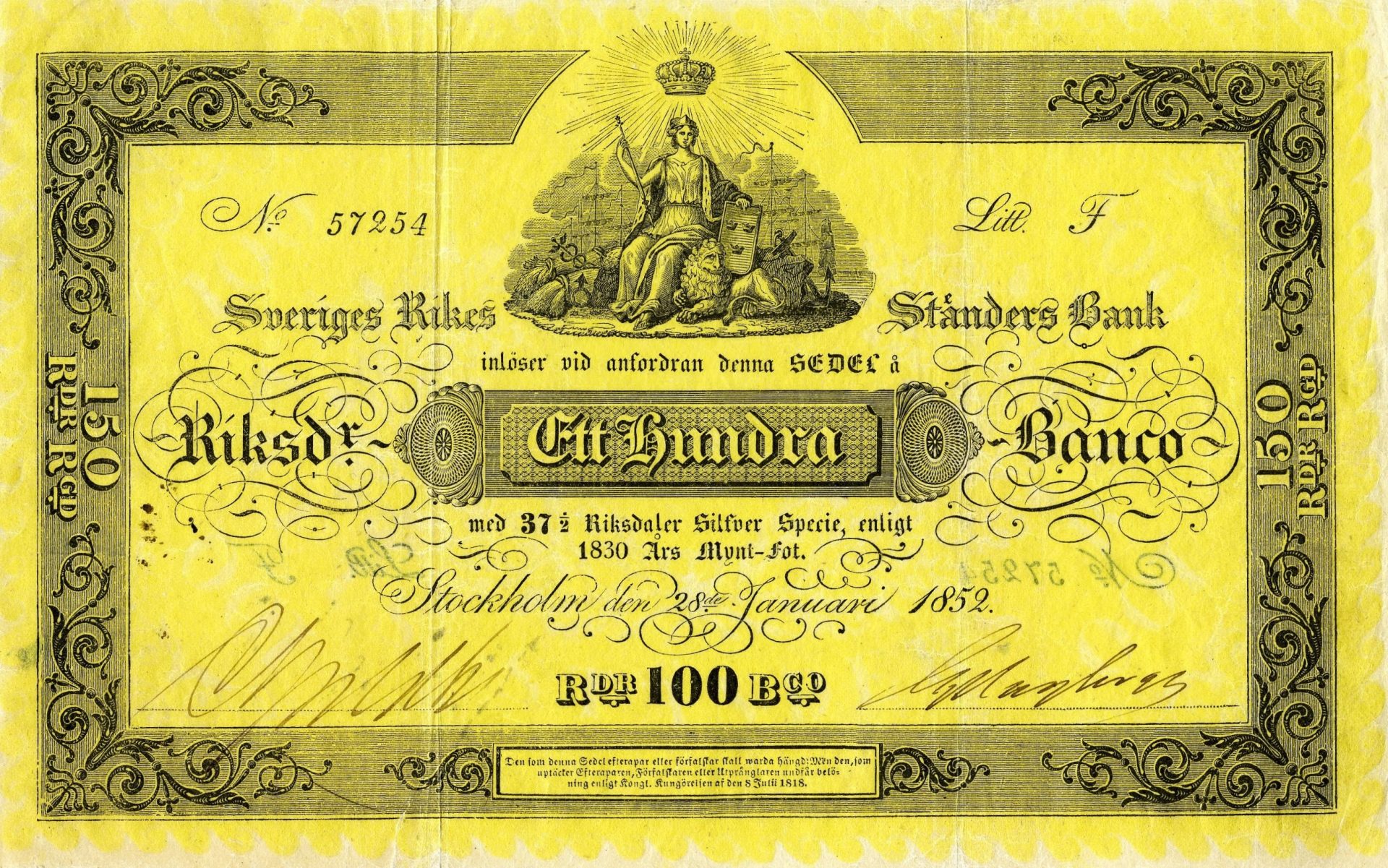
The process was complicated and time-consuming, but in the end the result was good. Each denomination was given its own individual colour, which increased security. In addition, the Riksbank Board decided that one or more of the bank's officials should be present during the production process to ensure full security. The banknotes came into use in 1836. The banknotes were given different nicknames due to their colours, such as the Canary.
Counterfeiters
Despite the security, there were those who tried to counterfeit the new banknotes. One example was travelling merchant Jacobsson from Västergötland and the cantor at Sabbatsberg, Alfred Adler, who forged a 100-Riksdalers banknote. It was bright yellow in colour and was popularly referred to as a Yellow Finch. Adler and Jacobsson's forgery was discovered because Jacobsson asked the shop clerk who had taken the banknote whether he had discovered the forgery yet. (Malmö Allehanda, 29 November 1837).
And what about the profit?
The new banknotes required more water, so the water supply was improved with new channels and water cisterns. It seemed that the new-age paper mill was flourishing. But there were small worries on the horizon: the mill was still running at a loss, and free-trade advocates wanted to see it privatised.
In 1897, the Riksdag (the Swedish parliament) decided that the Riksbank would have a monopoly on banknote issuance. Private banknote issuance ended in 1904, at the beginning of the era of democracy and revolutions.
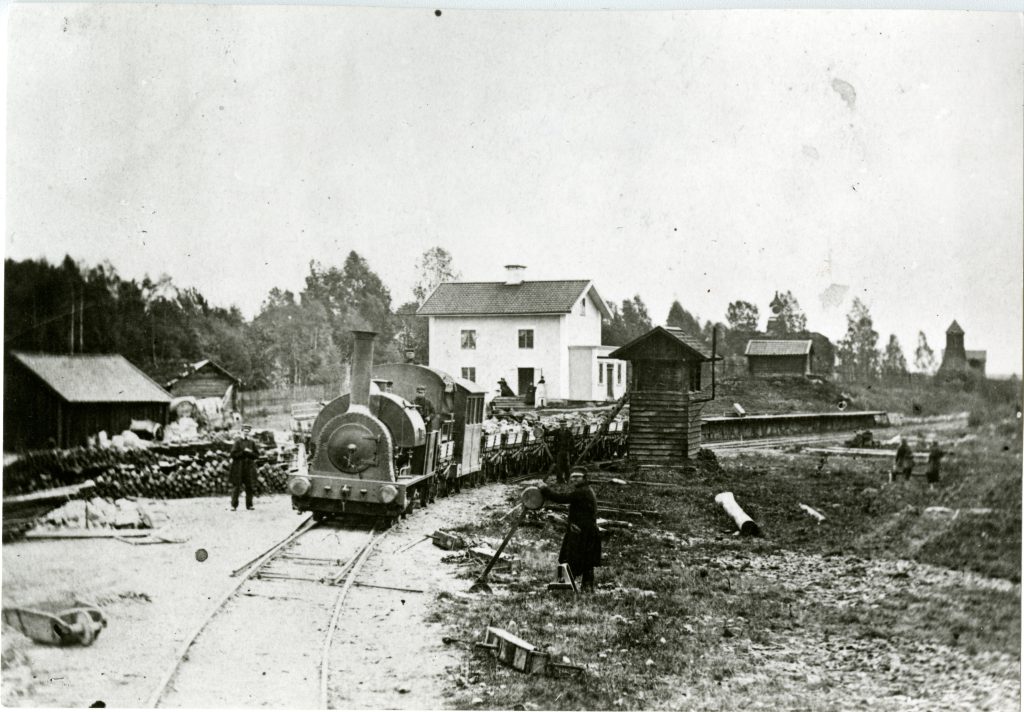
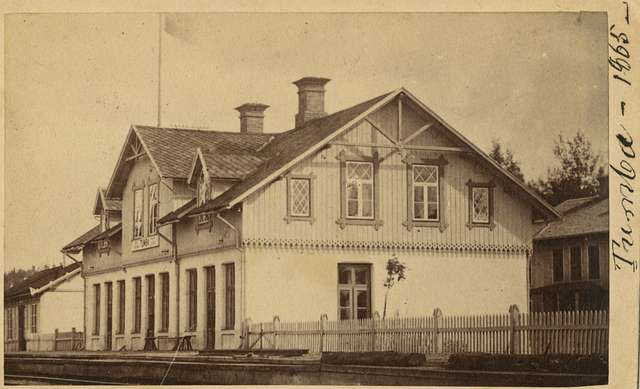
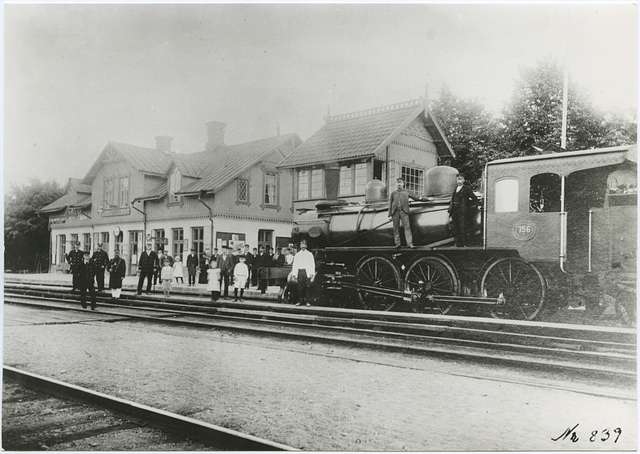
Image, left: The railway at Smedjebacken, Ludvika, 1860. The Railway Museum. Top, right: Tumba station, 1865. Below, right: Tumba station, c. 1900. (Public Domain).
...
Modernisation of the mill - 20th century
Modernisation of the paper mill did not take place until the outbreak of World War I in 1914. The main impetus of the modernisation was not the war, but rather the retirement of manager Johan Theodor Fiebelkorn in 1913, after 39 years of service.
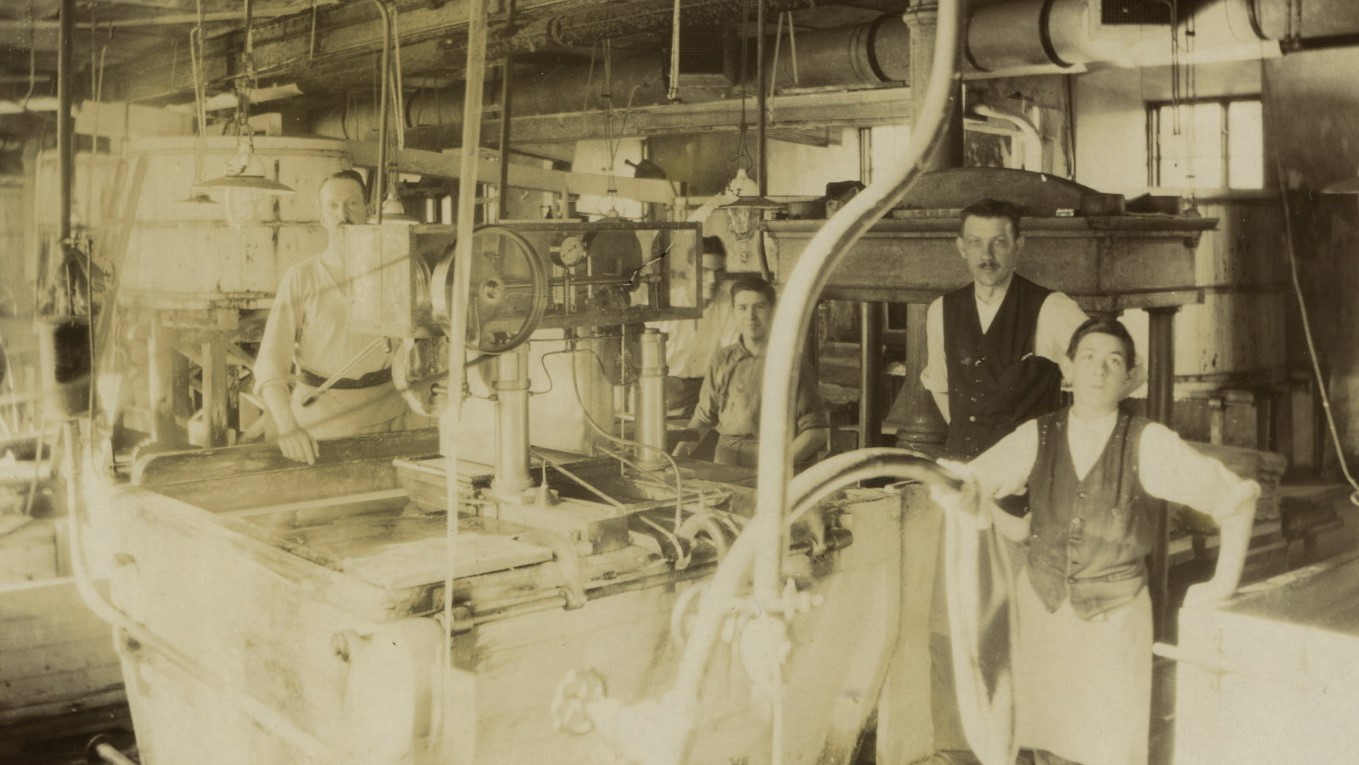
Manager Johan Theodore Fiebelkorn was strongly conservative and opposed major changes in both working methods and labour law. Despite this – or perhaps because of it – the mill improved the quality of the paper during Fiebelkorn's time.
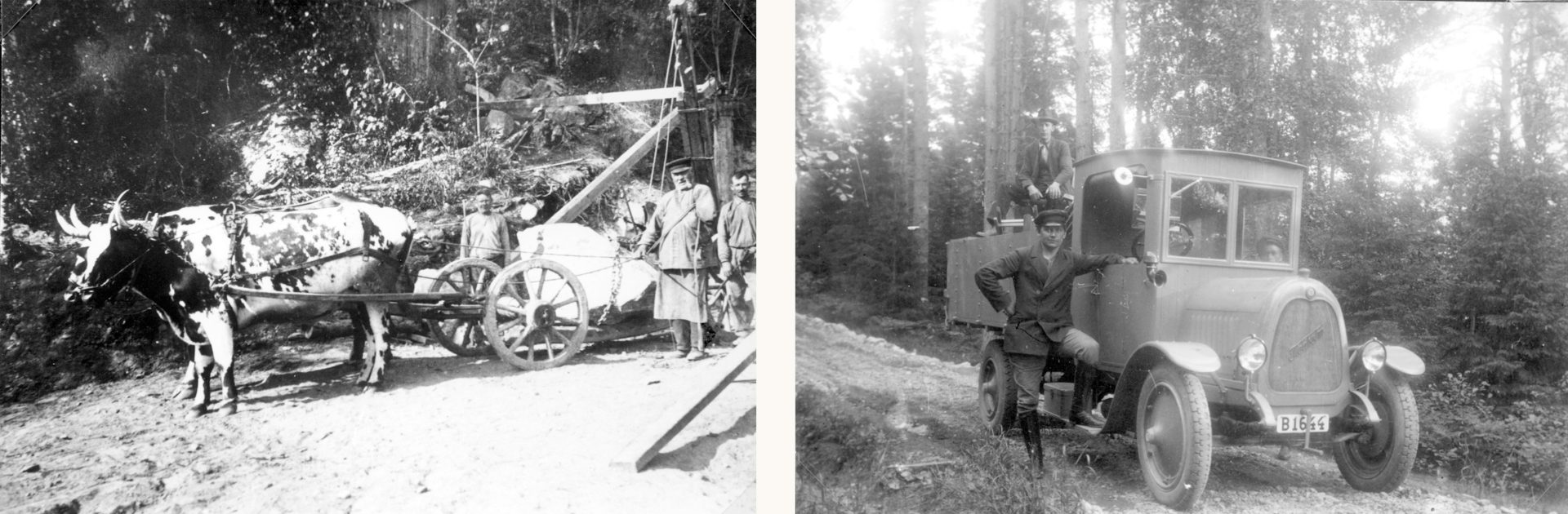
Major improvements to the mill, work and conditions in general came with his successor Johannes Vestergren: new worker housing, new mill buildings, electric light and even a provision for six days of holiday for all workers. In 1919, eight-hour days were introduced at the mill. And in 1925, a lorry replaced the old oxen to transport the fibre material used to make the paper. The pace of expansion meant that by 1930 there were more than 100 workers at the mill, plus about 70 apprentices and female workers.
Why make it by hand?
The progress was clear. So was the never-ending problem of the mill's profitability. Tumba's banknote paper was considerably more expensive than foreign equivalents. One of the reasons was that the paper was mainly produced in the same way as in the 18th century, by hand.
In 1934, the Riksbank's auditors stressed that the mill must acquire a paper machine to reduce costs. The auditors sent a copy of the report to the Riksdag, which prompted the Riksbank to act more quickly than usual. Five years later, the first machine was installed.
Engineers and fitters from Germany arrived in Sweden in August 1939 to install the paper machine from the Escher Wyss company. They barely finished before World War II broke out and they had to return to their homeland to fight in the war. In 1940, the first Swedish-produced machine-made banknotes were issued, a ten-crown note.
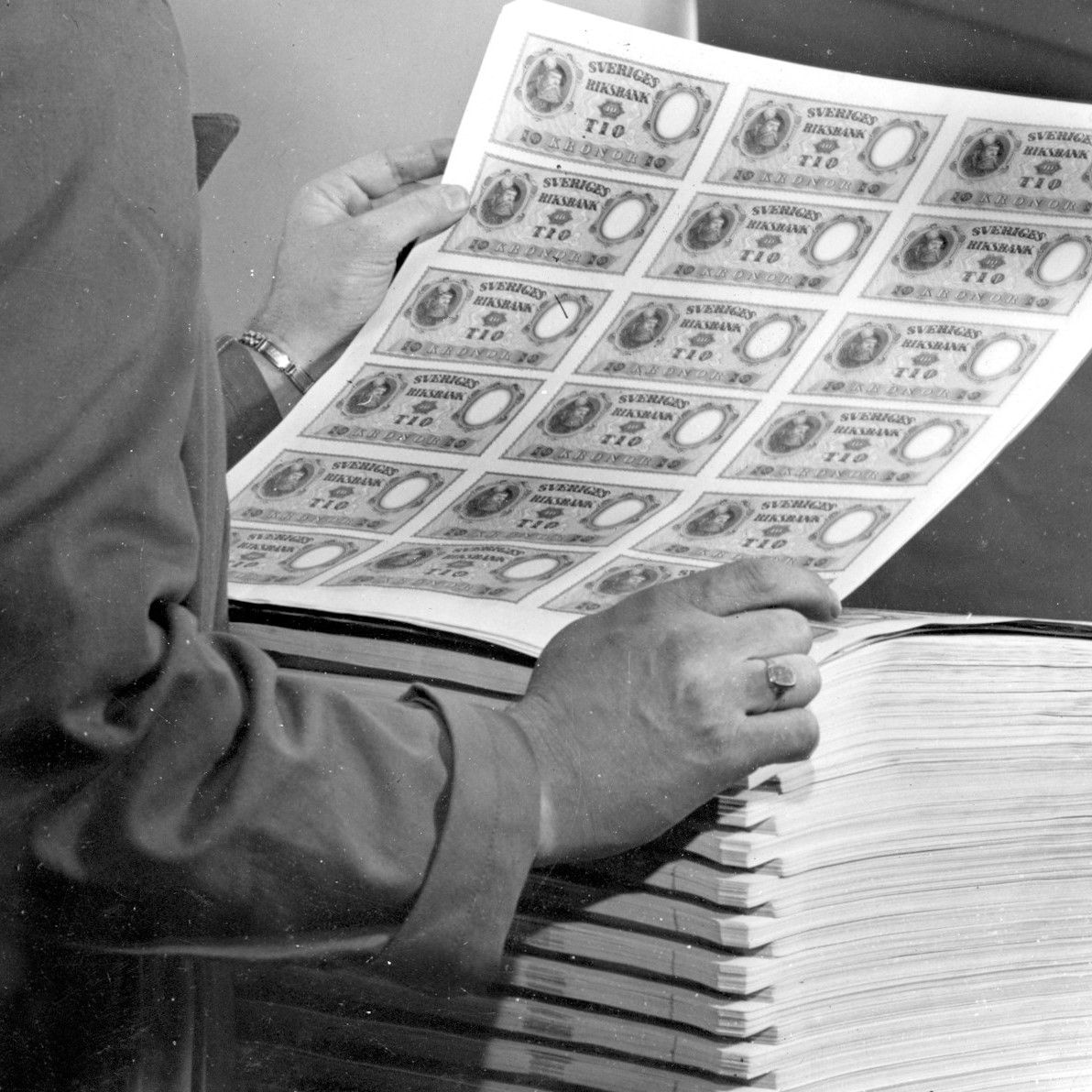
Reorganisation
The transformation of the mill took place at the same time as many of the papermakers retired and were replaced by younger, industrially trained workers. And now, after almost two hundred years, there was hope that the Tumba Paper Mill would turn a profit.
In 1944, the mill also began producing paper for the general market. Until then, the mill had produced paper more or less exclusively for the state, with certain exceptions such as banknote paper for private banknotes, paper for share certificates, and the like. Now, for the first time, the mill produced stationery, writing paper and fine art paper. The aim was to make better use of the capacity of the paper machine when there was a lull in orders for banknote paper.
The mill becomes a museum
In 1955, the same year that Tumba Paper Mill celebrated its 200th anniversary, the last part of the hand paper production was closed down. From this year on, paper was only produced on the paper machine. In order to preserve the knowledge of handmade paper, a peer society called Kyplaget was established in 1952.
The mill continued to struggle with cumbersome administration and poor profitability, so much so that on several occasions there were calls to close down production. The future of the mill was debated both internally and in public. One idea put forward was to buy another paper machine to increase capacity, and thus profitability.
The good idea of producing paper for the private market also brought with it the concern that there were sometimes delivery problems. As soon as an order for banknote paper came in, it took precedence over all other production, which was not good for Tumba Paper Mill's reputation. A private customer could suddenly have to wait many weeks for their paper.

In 1961, the Riksdag's auditors pointed out that, despite a certain improvement in efficiency, Swedish banknote paper was three times more expensive than equivalent paper from England and France, for example. The price per kilo was (in 1960) SEK 24.40 per kilogram for paper produced in Tumba, compared to about SEK 8 per kilogram for English and French banknote paper.
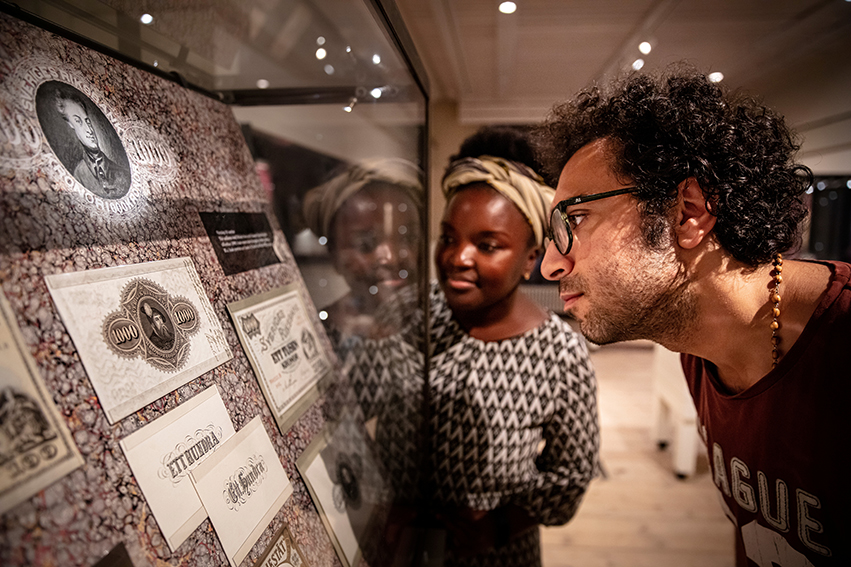
In the early 1960s, the idea of creating a museum arose. Harry Ericsson, the operating engineer, was the driving force, and all the old objects that had hitherto been collected and stored in the attic of the Klockhuset building were moved to the Kölnan building. The Tumba Paper Mill Museum opened its doors to the public in 1968.
The national becomes international
In the 1950s and 1960s, discussions about profitability eventually led to the purchase of a new and larger paper machine and the relocation of the banknote printing works from central Stockholm to Tumba. Combining these two operations in the same location was expected to simplify administration and increase efficiency. Perhaps the long-awaited profitability could be achieved after all?
When Sweden joined the European Union, this meant a new reality for Tumba Paper Mill and the Swedish Riksbank. The likelihood that Sweden would also participate fully in the forthcoming monetary union was high, and in any case the role of the Riksbank changed.

The new times led the Riksbank to decide at the end of the 1990s to sell both the mint in Eskilstuna and the paper mill with the printing works in Tumba. Going forward, the Riksbank would only ensure that the paper had the necessary security level and was of good quality.
The Finnish Mint bought the mint in Eskilstuna in 2002 (closed in 2011). The Tumba Paper Mill was bought by Crane, an American family company that had been operating in the USA for a very long time. Crane had good knowledge of banknote paper production, but lacked some knowledge of printing works, which the purchase of the Tumba Paper Mill was intended to remedy. The company hoped to become more competitive in the global market.
One of the first decisions was to cease production of all civilian paper, i.e. paper other than banknote paper. The only exception was that the company continued to make paper for Swedish passports for a few more years.

Only a few rooms in the beginning
In connection with the sale of the Tumba Paper Mill to Crane, the National Property Board of Sweden (Statens fastighetsverk) took over the cultural heritage buildings on the site. The state also established the foundation Stiftelsen Tumba Bruk in 2004 to take care of the museum collections and finance the exhibition activities.
In addition to the Kölnan building, which has served as a museum since 1968, two other buildings were added – Oxhuset and Röda magasinet. The space was needed to conduct professional museum activities in a modern way. Among other things, the museum needed to set up its own café as it was no longer possible to order refreshments for groups in the mill's staff canteen.
The new museum opened on 4 June 2005.
The latest years
In September 2016, Crane Currency decided to build another banknote printing works in Malta, in addition to the one in Tumba.


